
Immunology
Abstract
Adoptive T-cell therapies using tumour-specific T-cell receptors (TCRs) are limited by competition with endogenous receptors, impairing efficacy and posing risks of off-target autoreactivity. Here we present a CRISPR-based platform that selectively eliminates both endogenous TCR-α and -β chains without affecting transgenic TCRs, irrespective of codon optimization. This approach achieves >90% deletion efficiency in Jurkat and primary human T cells, enhancing expression and functional potency of transgenic receptors. Using an HLA-A*02:01-restricted DMF5 TCR, we show that dual TCR ablation boosts antigen-specific activation and cytotoxicity in vitro and enhances tumor clearance in vivo in human immune system (HIS) mice and prevents graft-versus-host disease (GVHD). Targeted locus amplification showed that CRISPR-induced double-strand breaks did not alter lentiviral integration profiles, supporting genomic safety. Extending this approach to four insulin-reactive TCRs demonstrated that endogenous receptor removal increased transduction efficiency and functional activity, with one (1E6) showing selective activation and infiltration of islet grafts (SC-islets) in vivo. This study establishes a universal, safe, and scalable genome-editing platform for generating functionally precise human T cells. By integrating cancer immunotherapy and autoimmune disease modelling within a single framework, it provides a preclinical rationale for dual endogenous TCR removal to improve specificity, safety, and therapeutic efficacy in TCR-based cell therapies.
Authors
Giorgia Zanetti, Sameena Nikhat, Mateusz Legut, Austin Chen, Farshid Fathi, Nathan Suek, Nato Teteloshvili, Hao Wei Li, Xiaolan Ding, Daniel Traum, Klaus H. Kaestner, Ryan E. Hoang, Andrew K. Sewell, Audrey V. Parent, Remi J. Creusot, Megan Sykes, Mohsen Khosravi-Maharlooei
Abstract
TGF-β-activating integrins promote solid-organ fibrosis, suggesting their potential as disease markers. Chronic lung allograft dysfunction (CLAD), a progressive fibrotic complication that limits lung transplant survival, is driven by intragraft TGF-β activation. However, TGF-β-activating integrin expression patterns remain undefined in lung transplants. Single-cell RNA sequencing and proteomic analysis of tissue specimens from a mouse CLAD model and human explanted lungs with CLAD revealed high levels of the TGF-β-activating integrin αvβ6, primarily localized to fibrosis-associated Keratin 8+ alveolar transitional epithelial cells, which were greatly reduced in tolerant lungs. Molecular imaging with a newly optimized positron emission tomography radiotracer specific for αvβ6, [64Cu]Cu-DOTA-A20-K16R, showed significantly higher uptake in CLAD than in tolerant transplants. [64Cu]Cu-DOTA-A20-K16R activity was also reduced by experimental treatments that lowered αvβ6 expression and inhibited CLAD severity. Finally, [64Cu]Cu-DOTA-A20-K16R autoradiographic analysis of human explanted lungs with CLAD showed elevated activity that correlated with increased αvβ6 expression. Collectively, these findings illustrate the potential utility of αvβ6 molecular imaging for detecting CLAD pathogenesis.
Authors
Marlene Cano, Chandra S. Bathula, Fuyi Liao, Cristian Wieczorek Villas Boas, Yan Tao, Zhiyi Liu, Ricky Ebenezer, Victoria Davis, Allison Cannady, Dequan Zhou, Shunning Liang, Hanqiu Zhao, Derek E. Byers, Alexander S. Krupnick, Daniel Kreisel, Susan M. Lin, Allen Duong, Tereza Martinu, Zhiyu Dai, Buck E. Rogers, Andrew E. Gelman
Abstract
Essential thrombocythemia (ET) and myelofibrosis (MF) are myeloproliferative neoplasms (MPN) that can result from heterozygous or homozygous mutations in the calreticulin (CRT) gene (CALR). Mutant CRT binds to the thrombopoietin receptor to induce signaling that drives ET and MF. CRT is also a chaperone for the assembly of the highly polymorphic human leukocyte antigen (HLA) class I molecules. The effects of heterozygous versus homozygous MPN CALR mutations on the expression of HLA class I variants are unknown. To assess mutant CRT-induced changes to HLA class I expression, we generated CRISPR-based mutant CALR knock-in cell lines and CALR-knockout cell lines reconstituted with wild-type or MPN mutant CALR and also undertook measurements in MPN patient platelets and monocytes. Collectively, our findings indicate that heterozygous CALR mutations preserve HLA class I surface expression, whereas full loss of wild-type CRT results in marked, allele-dependent reductions in HLA class I expression, which are rescued by wild-type CRT but not MPN mutants. Reduced expression of CRT-dependent HLA class I in cells lacking a functional CRT induces natural killer (NK) cell activation. These studies identify specific HLA class I alleles and homozygous CALR mutations as prerequisites for low HLA class I expression in MPN.
Authors
Amanpreet Kaur, Grace Pagnucco, Fawziyah S. Khatri, Harini Desikan, Malathi Kandarpa, Matthew Cusick, Moshe Talpaz, Malini Raghavan
Abstract
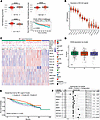
Multiple myeloma (MM) orchestrates immune evasion by subverting natural killer (NK) cell function. CD48, one of the most abundant NK ligands on MM cells, paradoxically enhances NK cell activation yet is associated with high-risk cytogenetics and poor patient survival. We integrated multiomics (bulk and single-cell RNA-seq, assay for transposase-accessible chromatin using sequencing [ATAC-seq], chromatin immunoprecipitation sequencing [ChIP-seq]), genome-wide CRISPR knockout/activation screens, and machine learning to dissect CD48 regulation and function. In human MM and Vκ*MYC mouse scRNA-seq datasets, NK cells exhibit stepwise increases in inflammatory and exhaustion signatures and loss of cytotoxic potential as disease progresses. In vitro coculture assays show that CD48 overexpression on MM enhances NK cell cytokine secretion, whereas chronic exposure leads to ex vivo NK dysfunction. In vivo, CD48-overexpressing Vκ*MYC tumors progress more slowly and extend host survival, while NK cell depletion accelerates disease. These findings support a context-dependent role for CD48, potentiating acute NK responses while coexisting with chronic NK exhaustion, and suggest strategies to modulate CD48 for therapeutic benefit.
Authors
Bonell Patiño-Escobar, Torsten Steinbrunn, Lucy Perez-Lugo, Sham Rampersaud, Daniel D. Waller, Daniela Ordoñez, Huimin Geng, Fernando Salangsang, Paul Phojanakong, Juan Antonio Camara Serrano, Yan Zeng, Veronica Steri, Oscar A. Aguilar, Constantine S. Mitsiades, Arun P. Wiita
Abstract
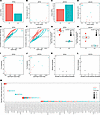
In chronic infection, T cell clones recognizing the same epitope are variably expanded, with some clones evolving to become dominant, while others are lost. Clonal expansion and changes in the repertoire reflect both T cell receptor–intrinsic (TCR-intrinsic) and -extrinsic factors, yet the individuality of TCR repertoires makes it difficult to disentangle how TCR sequence shapes clonal behaviors. To address this, we exploited the observation that TCRs can be grouped into clusters based on sequence similarity. Using complementarity-determining region 3β (CDR3β) sequencing data derived from lymphocytic choriomeningitis virus–specific CD8+ T cells from mice infected early and late in the course of chronic infection, we identified CDR3β clusters ubiquitously shared by all mice. The pattern of CDR3β cluster abundance was highly similar between mice at the early time point in both self-limiting and persistent infection models. Over the course of chronic infection, the pattern of cluster abundance diverged between mice and dominant clones emerged that did not share sequence similarity between mice. This repertoire divergence was not observed in self-limiting infection, where the pattern of cluster abundance established early in infection was stable between mice beyond resolution of infection. In chronic infection, the repertoires of stem-like and exhausted antigen-specific T cells remained similar over time within individual mice, suggesting clonal selection acts on the stem-like pool. Our findings suggest that antigen-specific CD8+ T cell clones expanded early in infection have CDR3β motifs that are shared between mice, supporting a role for TCR structural properties in determining the repertoire structure. Divergent patterns of repertoire composition later in chronic infection suggest that these shared CDR3β motifs are less important in patterning the repertoire than during the initial response and there is greater complexity in factors that sculpt the repertoire over the course of persistent antigen exposure.
Authors
Daniel Y. Chang, Barbara Bravi, Sakshi Malik, Donald J. McGuire, Hasan Ahmed, Rustom Antia, Rafi Ahmed, Ehsan Ghorani

Abstract
The clinical success of chimeric antigen receptor T cells in treating hematological malignancies has highlighted the immense therapeutic potential of engineering T cells with synthetic receptors. However, the limited availability of tumor-specific antigens and the poor ability of T cells to infiltrate solid tumor cores remain major obstacles for applying this approach to solid tumors. In this study, we identify a subset of CD8+ T cells at inflammatory sites that acquire FcγRI through trogocytosis from infiltrating monocytes, enabling them to perform transient TCR-independent antibody-dependent cellular cytotoxicity (ADCC). Analysis of FcγRI signaling in these T cells revealed that phosphorylation occurs only when antigen density on the membrane exceeds 30 molecules/μm². Exploiting this threshold, we engineered peripheral blood CD8+ T cells to express a modified FcγRI receptor, allowing them to selectively kill tumor cells while largely sparing healthy tissues expressing normal physiological levels of the same antigen. Moreover, expression of FcγRI receptor in T cells was associated with reduced basement membrane interactions, enhancing their capacity to infiltrate tumors and establish long-term immune memory. Collectively, this work establishes T cell–mediated ADCC as a potent therapeutic strategy that leverages antigen density, rather than antigen identity, to achieve selective cancer targeting.
Authors
Alon Richter, Shahar Dotan, Petr Shendrik, Diana Rasoulouniriana, Amichai Zarfin, Nadine Santana-Magal, Aseel Khateeb, Adi Frisch, Gal Verbin, Ariel Galor, Eran Sadot, Oran Zlotnik, Avishai Maliah, Ori Moskowitz, Tom Ben-Dov, Maya Halpern, Chen Luxenburg, Alexander Leithner, Yu Zhang, Natalia T. Freund, Merav Cohen, Carmit Levy, Matthew H. Spitzer, Raya Sorkin, Michael L. Dustin, Peleg Rider, Yaron Carmi
Abstract
In alcohol use disorder (AUD), duodenal macrophage number are reduced, but the underlying mechanisms and consequences for gut permeability remain unknown. Actively drinking AUD patients undergoing standardized inpatient detoxification and healthy controls were enrolled. Fasting blood samples and duodenal biopsies were analyzed using proteomics, histology, multiplex immunohistofluorescence, flow cytometry, and quantitative polymerase chain reaction. Circulating monocytes were differentiated ex vivo into macrophages to assess migration, differentiation, phagocytosis, and cytokine release following stimulation with bacterial products. Gut permeability was evaluated using urinary 51Chromium- ethylenediaminetetraacetic acid excretion, and plasma surrogate markers of microbial translocation. AUD patients showed markedly reduced duodenal macrophages despite increased circulating monocytes and tissue monocyte-attracting chemokines. AUD monocytes exhibited reduced CCR2 expression and downregulation of tissue proteins involved in adhesion and trans-endothelial migration, thereby decreasing mucosal infiltration. Early macrophage differentiation associated was impaired, with reduced CSF1, CSF2, IL-34, and CSF1 receptor expression. Despite preserved phagocytic capacity, residual tissue macrophages displayed a mixed immune phenotype with reduced expression of scavenger receptors involved in microbial responses and cytokine hyporesponsiveness to lipopolysaccharide and peptidoglycan. Reduced macrophage numbers correlated with increased intestinal permeability and markers of microbial translocation. These results link disruption of the duodenal monocyte-macrophage axis to intestinal barrier failure in AUD.
Authors
Yifan Hu, Jerome Ambroise, Luca Maccioni, Laure-Alix Clerbaux, Caroline Bouzin, Bernd Schnabl, Peter Stärkel
Abstract
Basal-like double-negative prostate cancer (DNPC) and triple-negative breast cancer (TNBC) are aggressive tumors with few targeted treatment options, raising the question of whether a shared, druggable cell-surface antigen can be leveraged for effective immunotherapy. Here, we integrated analyses of independent bulk and single-cell transcriptomic datasets with mechanistic and preclinical therapeutic studies to evaluate CDH3 (P-cadherin) as a candidate target in basal-like disease. CDH3 expression was consistently enriched in basal-like subtypes across prostate and breast cancer cohorts and was preferentially expressed in basal epithelial tumor compartments. Mechanistically, CDH3 expression was governed by a YAP1–WNT5A/ROR2 signaling axis, linking basal subtype gene expression to non-canonical Wnt signaling. To exploit this target, we evaluated both a CDH3-directed antibody-drug conjugate (ADC) and CDH3-specific chimeric antigen receptor (CAR)-T cells. The ADC exhibited antigen-dependent internalization and cytotoxicity in vitro and reduced metastatic tumor burden in vivo. CDH3 CAR-T cells showed antigen-specific activation and tumor cell killing in vitro and improved tumor control and survival in metastatic prostate and breast cancer xenograft models, with additional benefit when combined with PD-1 blockade (nivolumab). Together, these findings establish CDH3 as a clinically relevant and therapeutically actionable target and support CDH3-directed ADC and CAR-T strategies for aggressive, basal-like DNPC and TNBC.
Authors
Guoqiang Liu, Shiyu Wang, Ziyu Zeng, Loan Duong, Jing Yang, Nipuni Barupala, Yun Zhao, Sharif Rahmy, Shan Feng, Xiaotian Chi, Ariana Arce, Linchuan Jia, Jun Wan, Liang Cheng, Xuemin Lu, Xin Lu
Natural killer cells from children with obesity exhibit a persistent ‘trained’ response to influenza
Abstract
Children and adults living with obesity have more severe influenza A virus (IAV) infection, but the underlying mechanisms are unclear. Natural killer (NK) cells play a key role in the innate immune responses to IAV and clearance of IAV-infected cells. ‘Trained immunity’ of NK cells (and other innate immune cells) refers to an initial stimulus (i.e. obesity) inducing metabolic and epigenetic changes that make these cells hyperinflammatory upon restimulation (i.e. with IAV). Here, we tested whether obesity in children induces trained immunity in NK cells. We have show that NK cells from children with obesity have a hyperinflammatory ‘trained’ phenotype, with increased expression of activation markers TLR2, CCR2, TLR4, HLA-DR and CD11b compared to children without obesity. Furthermore, we have demonstrate that NK cells from children with obesity have a heightened ex vivo IFN-γ response to stimulation with IAV (A/Auckland/4/2009, H1N1 and HKx31, H3N2) and epigenetic changes consistent trained immunity. A decrease in BMI z-score following weight-management was not associated with a reduction in the IFN-γ response, suggesting that weight loss is not sufficient to normalise NK cell function. Better understanding of obesity-related immune modulation is critical for development of new therapeutic strategies and improving outcomes in future IAV pandemics
Authors
Ellesandra C. Noye, Megan Airey, Danielle K. Longmore, Hui Xu, David Chisanga, Christoph Saner, Meagan Carney, Meg Kaegi, Hiu On Man, M. Zeeshan Chaudhry, Liam C. Kealy, Julian D. J. Sng, Isabelle Hocking, Melanie Wu, Georgina McCallum, Gabrielle T. Belz, Kim L. Good-Jacobson, David Burgner, Siroon Bekkering, Kirsty Short
Abstract
Targeted injury to the biliary epithelium and impaired bile flow are central mechanisms underlying childhood cholangiopathies. In biliary atresia (BA), immune-mediated cholangiocyte injury drives progressive bile duct obstruction, yet epithelial-intrinsic programs regulating injury susceptibility remain incompletely defined. Here, we modeled virus-epithelium interactions using rhesus rotavirus (RRV) infection of human liver-derived cholangiocyte organoids from normal donors (NCO) and infants with BA at diagnosis (BACO-Dx) or transplantation (BACO-Tx). Compared with NCO, BA organoids displayed baseline defects in tight junction architecture and barrier function, with prominent epithelial disruption and apoptosis following RRV exposure. Transcriptomic profiling revealed that while NCO and BACO-Dx mounted predominantly interferon-associated antiviral responses, BACO-Tx exhibited an expanded inflammatory program characterized by enrichment of NF-κB (RELA/NFKB1) regulatory network at baseline and amplified by infection. Inhibition of NF-κB signaling with the hydrogen sulfide donor GYY4137 restored organoid growth, improved tight junction organization, reduced permeability, and attenuated RRV-induced apoptosis. In the murine BA model, GYY4137 improved disease severity, preserved bile duct architecture, and protected epithelial junctional integrity while limiting cholangiocyte apoptosis. These findings identify an epithelial NF-κB-predominant program as a key determinant of intrinsic susceptibility to viral injury in BA and support targeting cholangiocyte NF-κB signaling to suppress disease progression.
Authors
Wenqi Li, Ashley Fonseca-Mejia, Reena Mourya, Pavithra Sudhakara, Pranavkumar Shivakumar, Jorge A. Bezerra
No posts were found with this tag.


